NASA Competition Acceptance
Summer 2025 - present
The Competition:
As Founder and President of the Engineering Design Club at River Hill High School, I led our team to become the sole winner in the state of Maryland for the 2025-2026 NASA TechRise Student Challenge. NASA TechRise is a premier national competition where student teams design flight-ready experiments for deployment on high-altitude or suborbital vehicles. My team was awarded $1,500 to build the project. In addition, we were assigned a NASA mentor and technical support for the project.
Our Project:
For our project, our team built an experiment to test how UV exposure and storage conditions affect DNA in the stratosphere. We placed plasmid DNA samples behind UV-filtering and UV-transmitting windows and stored the DNA in either wet or dry conditions. Sensors would record UV exposure and temperature during the flight, and we would compare the samples afterward to see which conditions protected the DNA best.
-
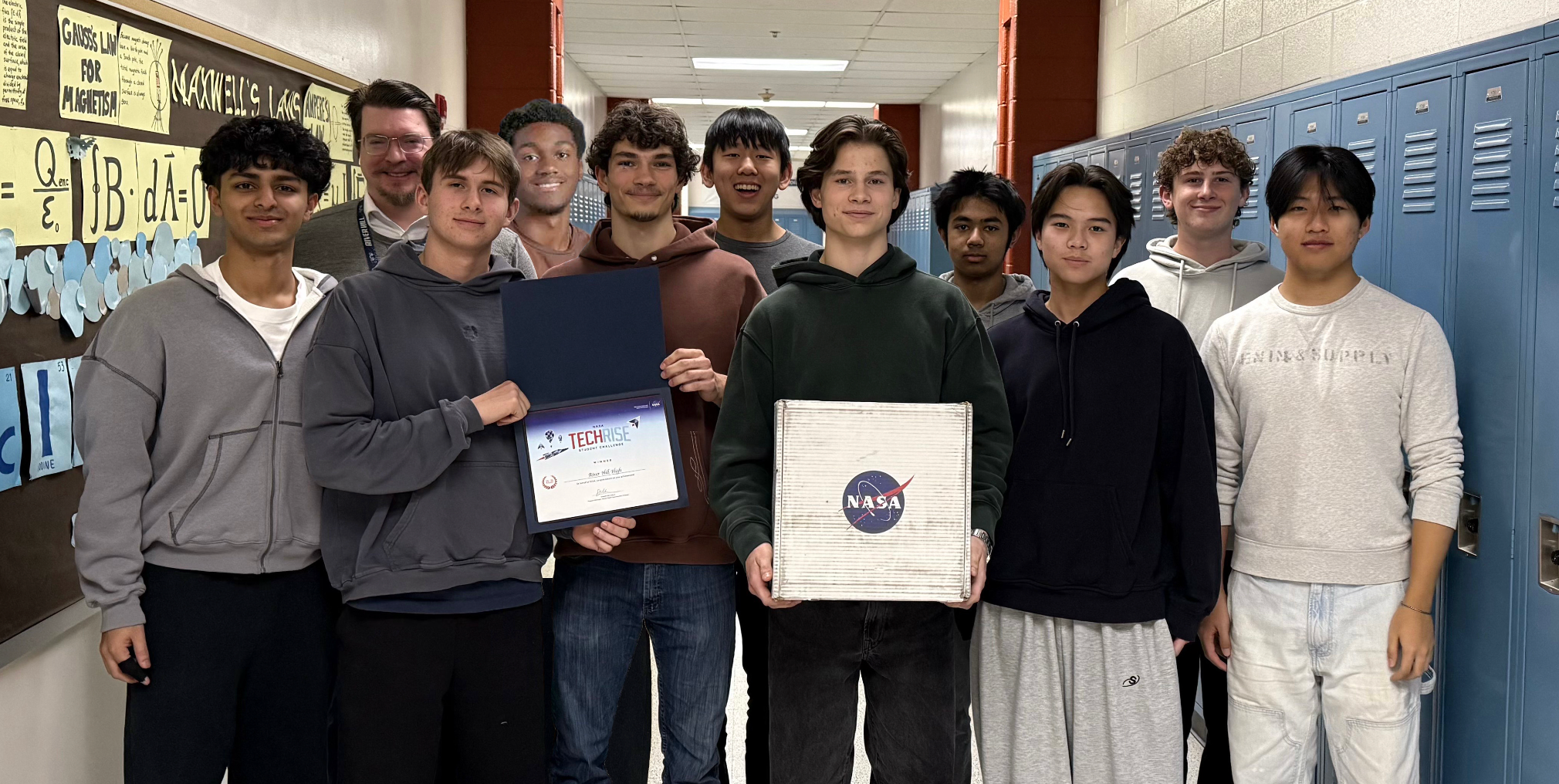
This is Engineering Design Club team after being selected for the NASA TechRise Student Challenge. We were very excited to start the project!
-
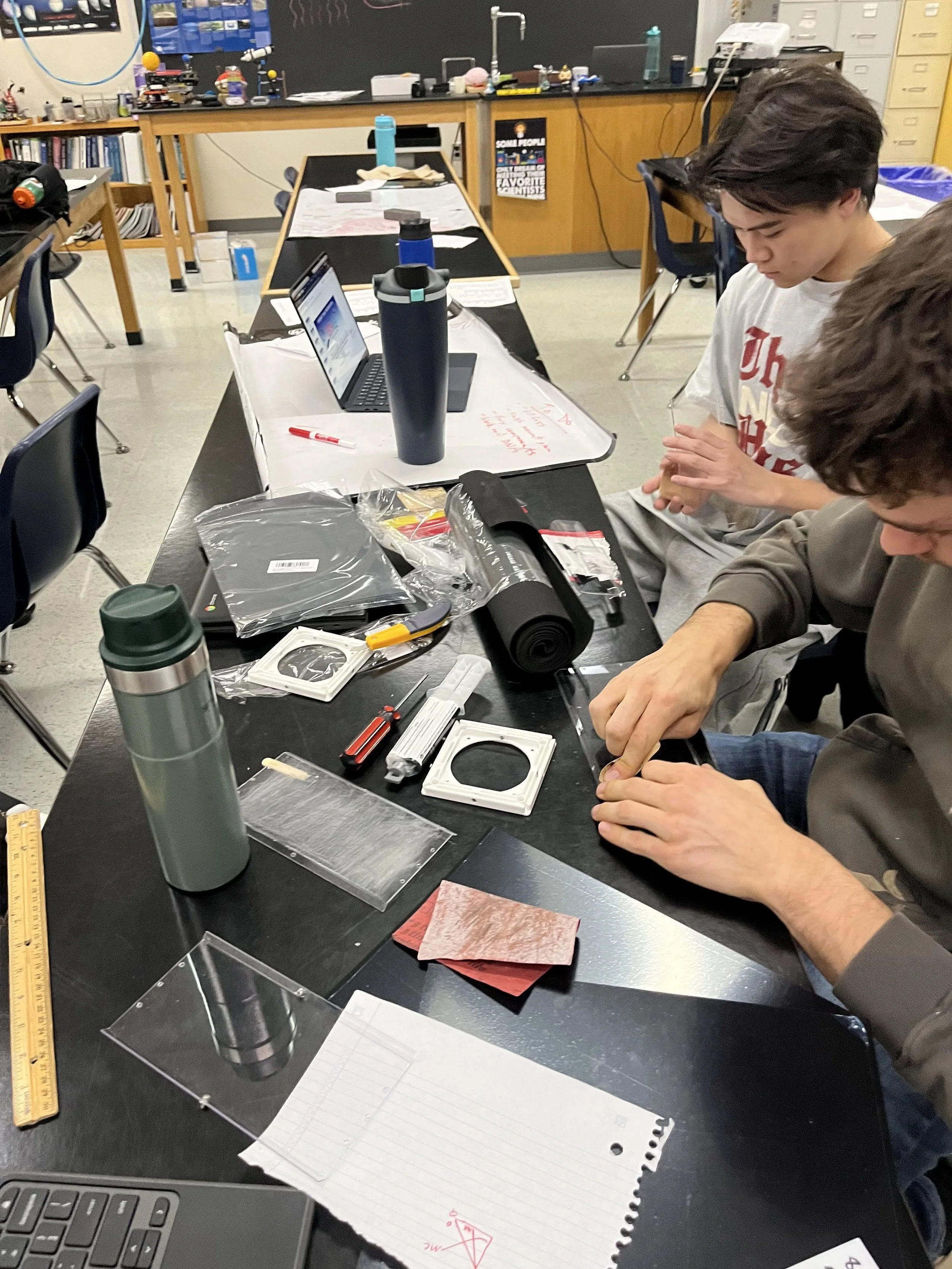
We first started building and fitting together the different pieces that would make up the experiment.
-
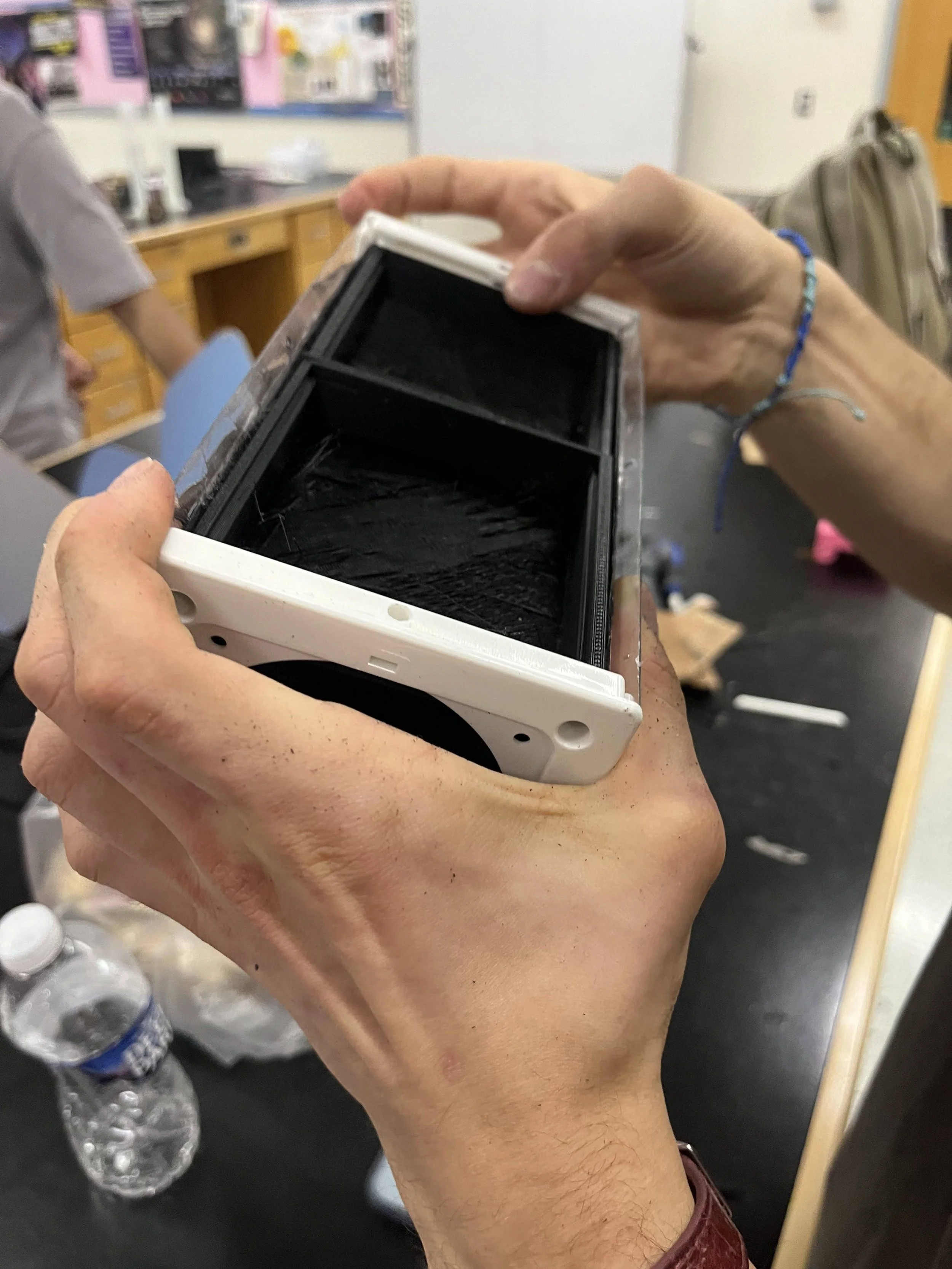
This is an early version of the enclosure. We used 3D printed pieces inside the acrylic frame to organize and hold the different parts of the experiment.
-
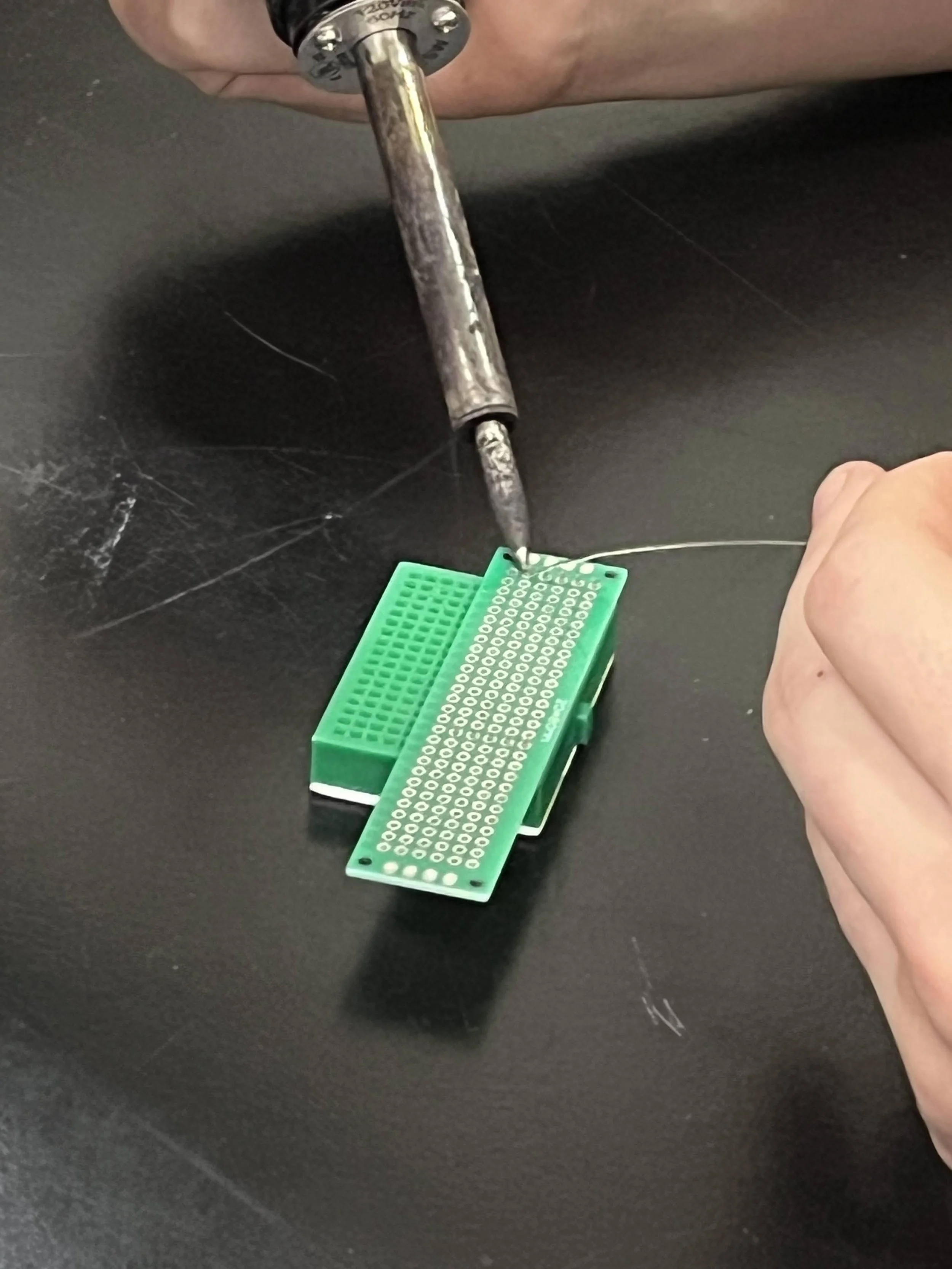
I worked on soldering some of the electronic components that would be used in the experiment.
-
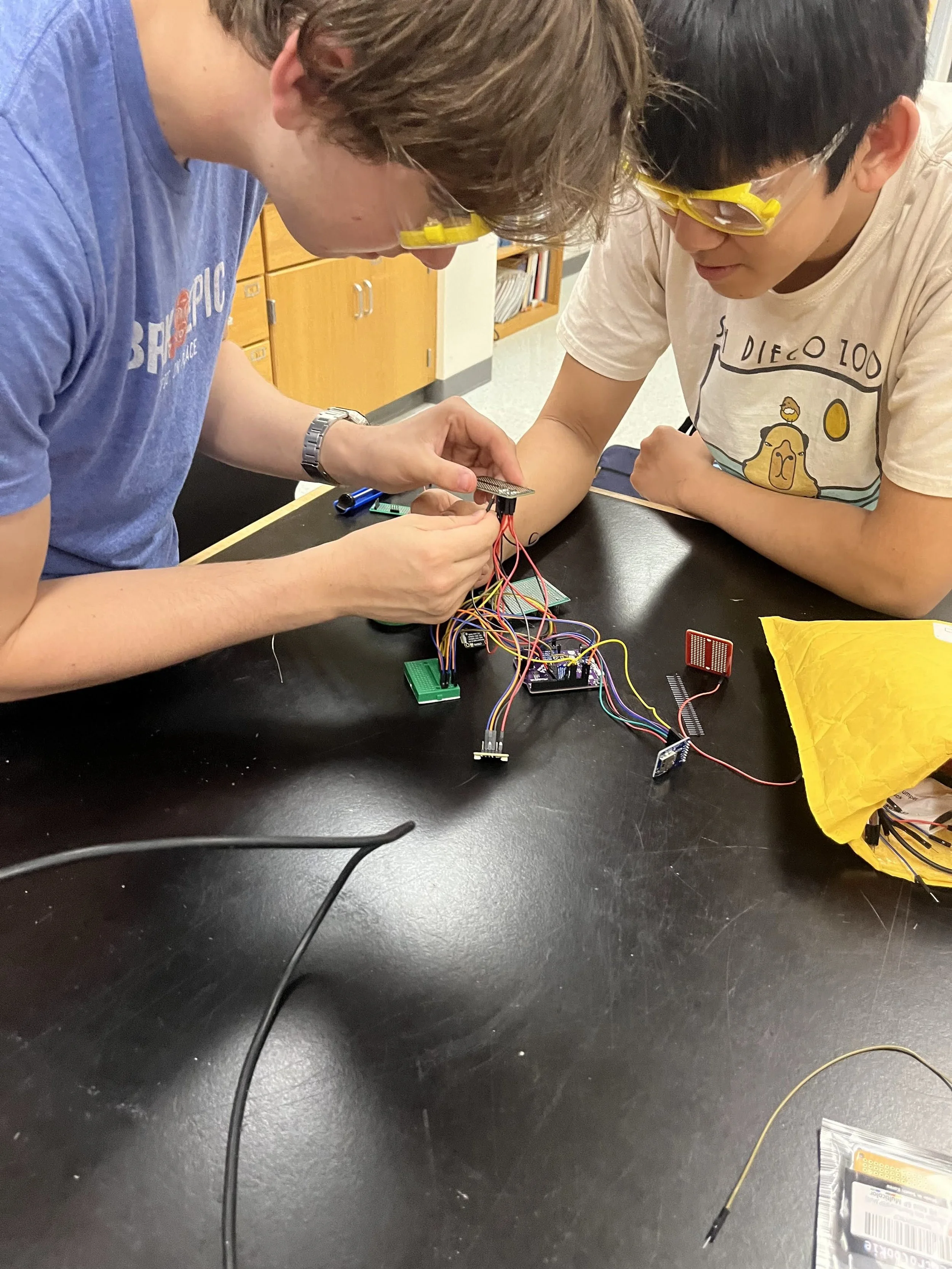
Here some of the club members were wiring and testing the sensors and electronics before putting everything inside the enclosure.
-
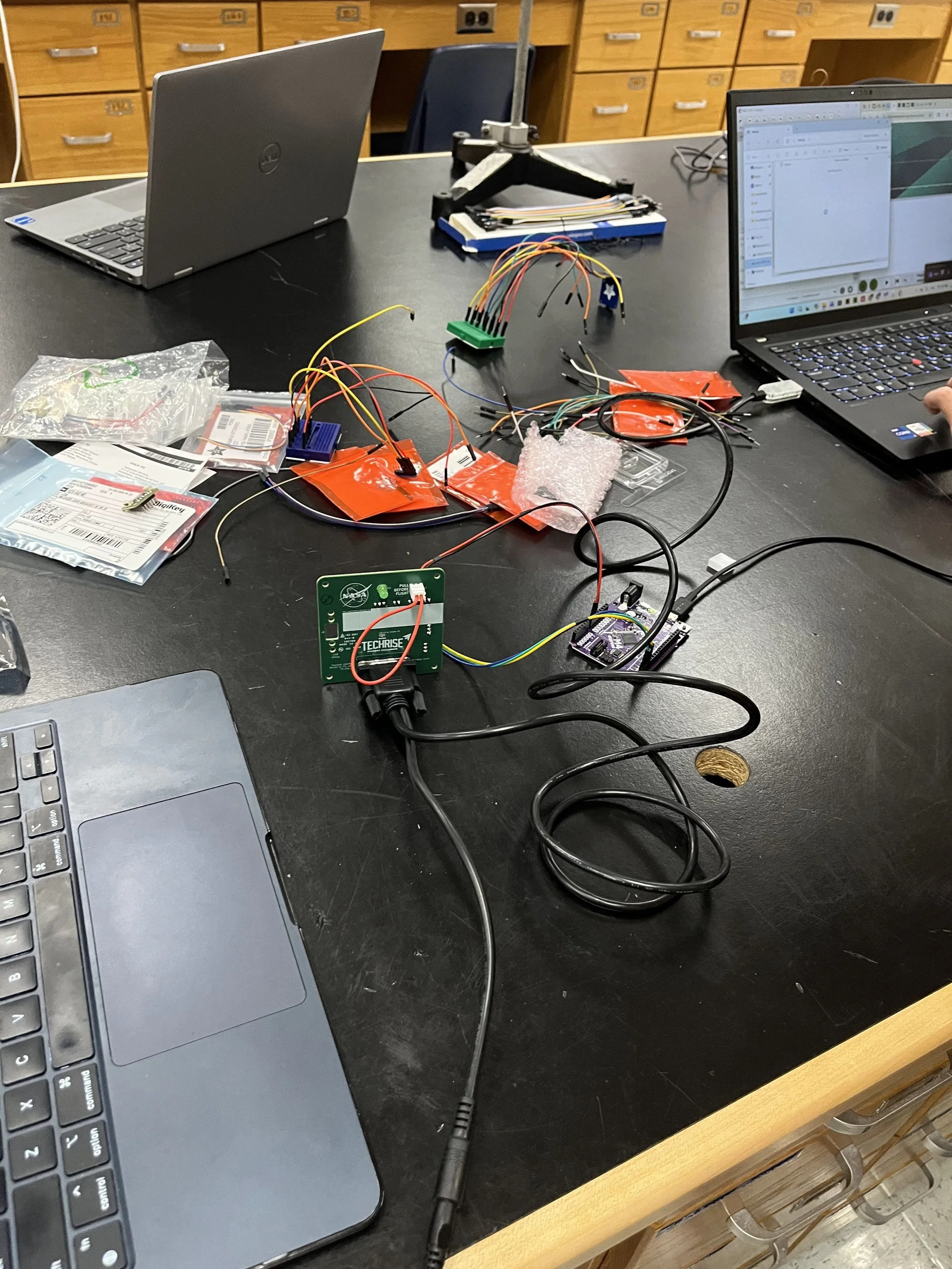
This is one of our electronics testing setups. We tested the different components separately before assembling everything together.
-
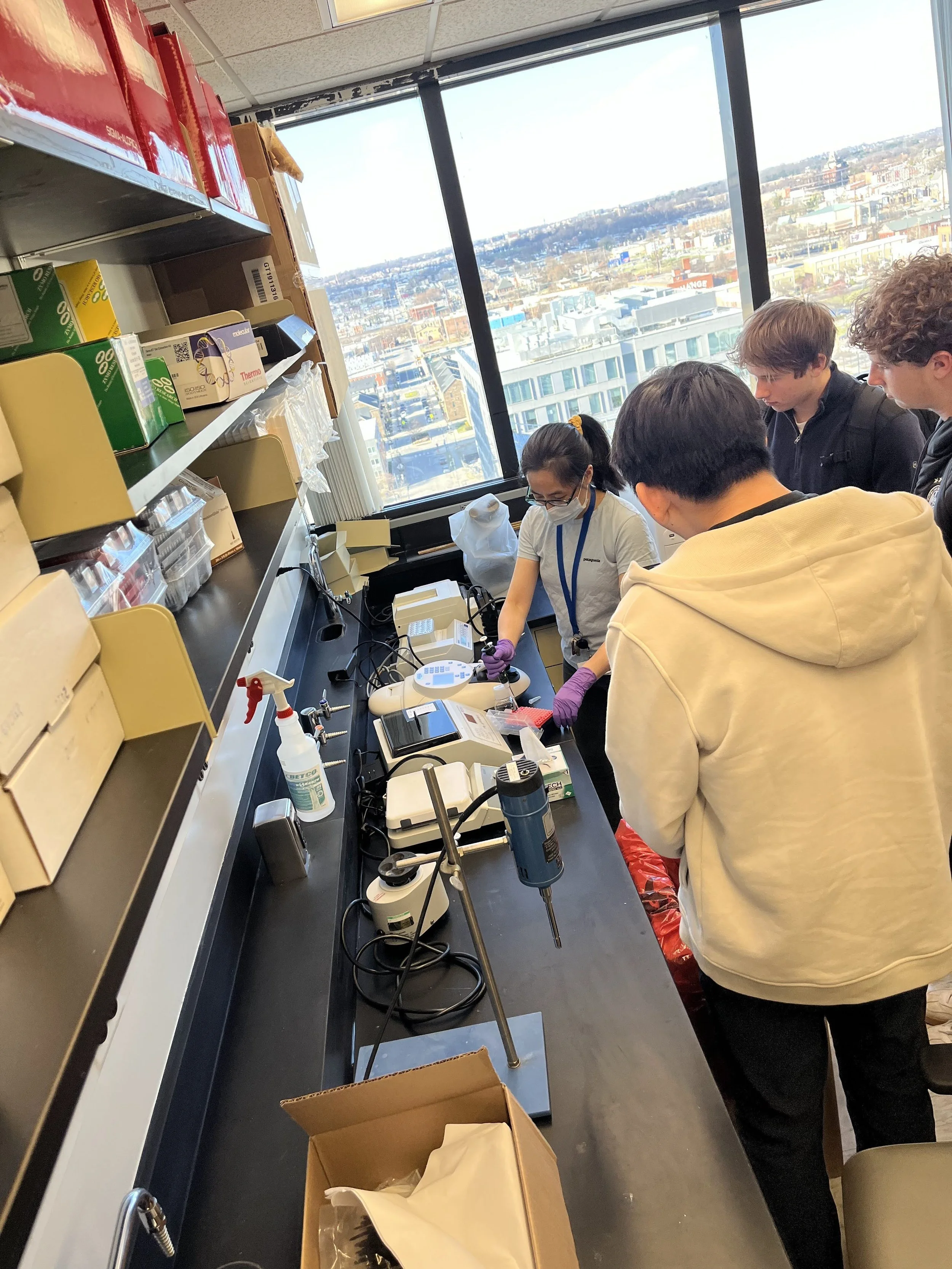
We collaborated with a lab to prepare the DNA we used. As a club we did a lab visit.
-
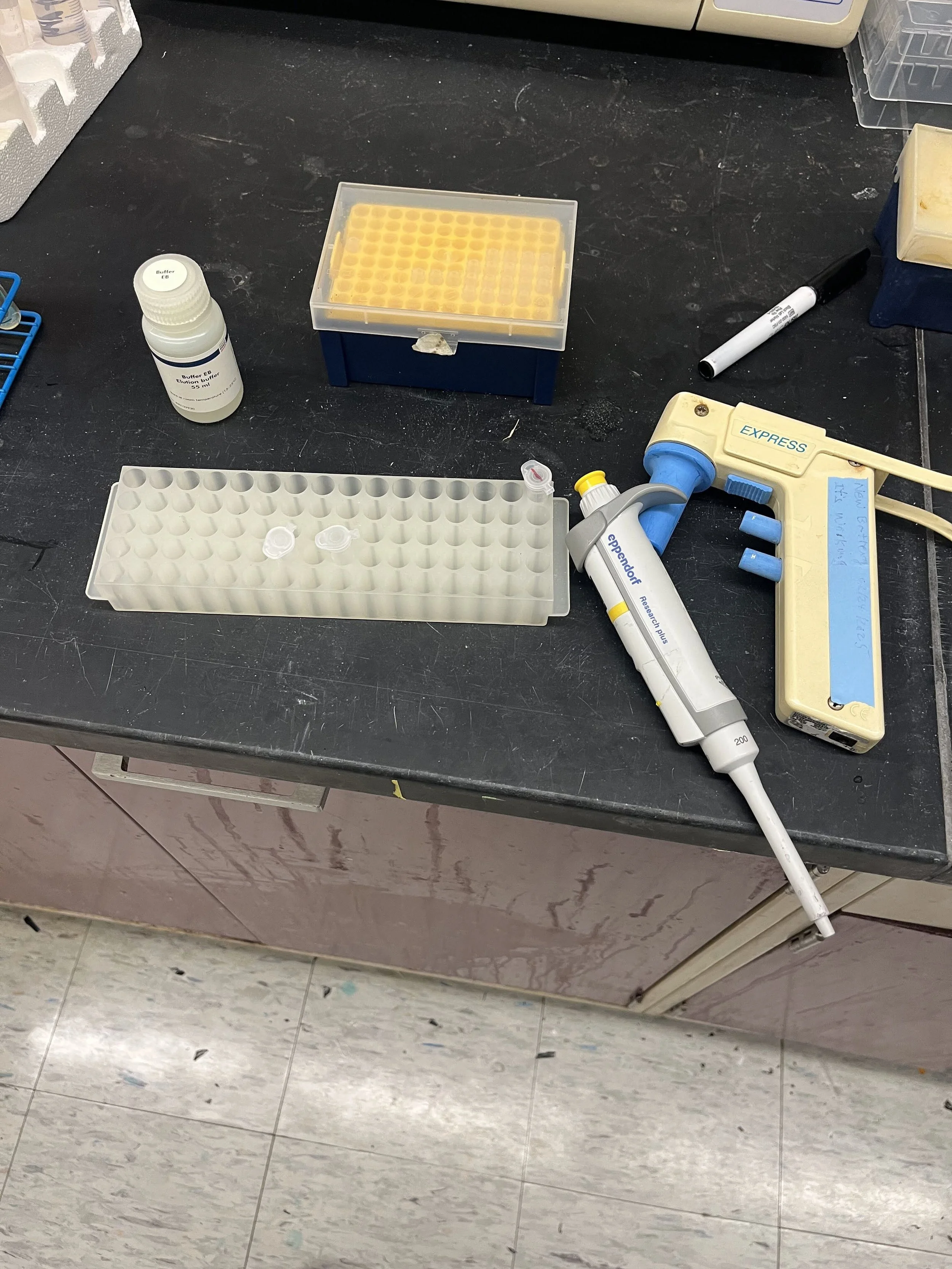
These are some of the pipettes, tubes, and other equipment we used to prepare the DNA samples.
-
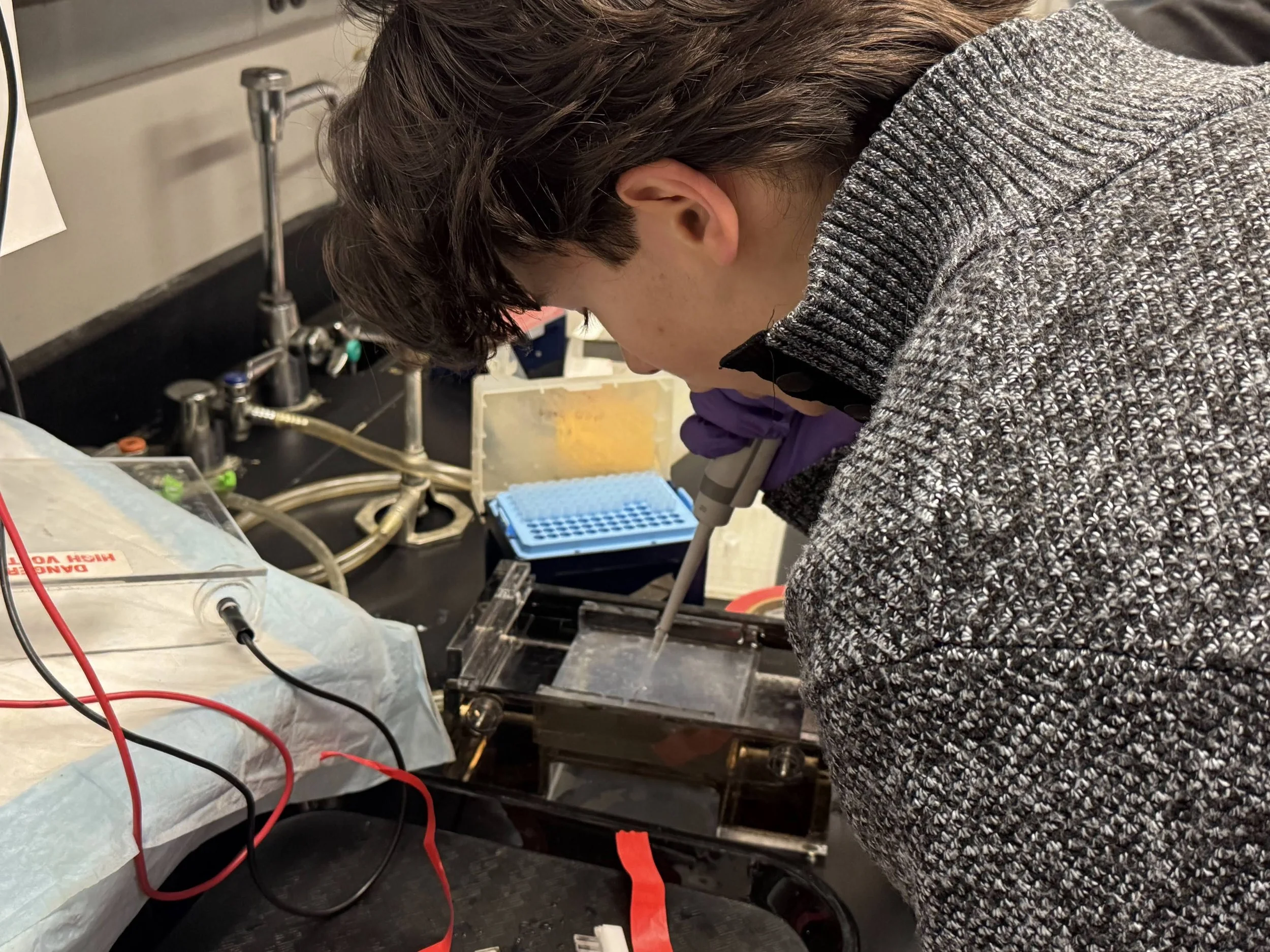
This is a club member working with the gel setup we would use to analyze the DNA. The gel would allow us to compare how intact the DNA was after testing.
-
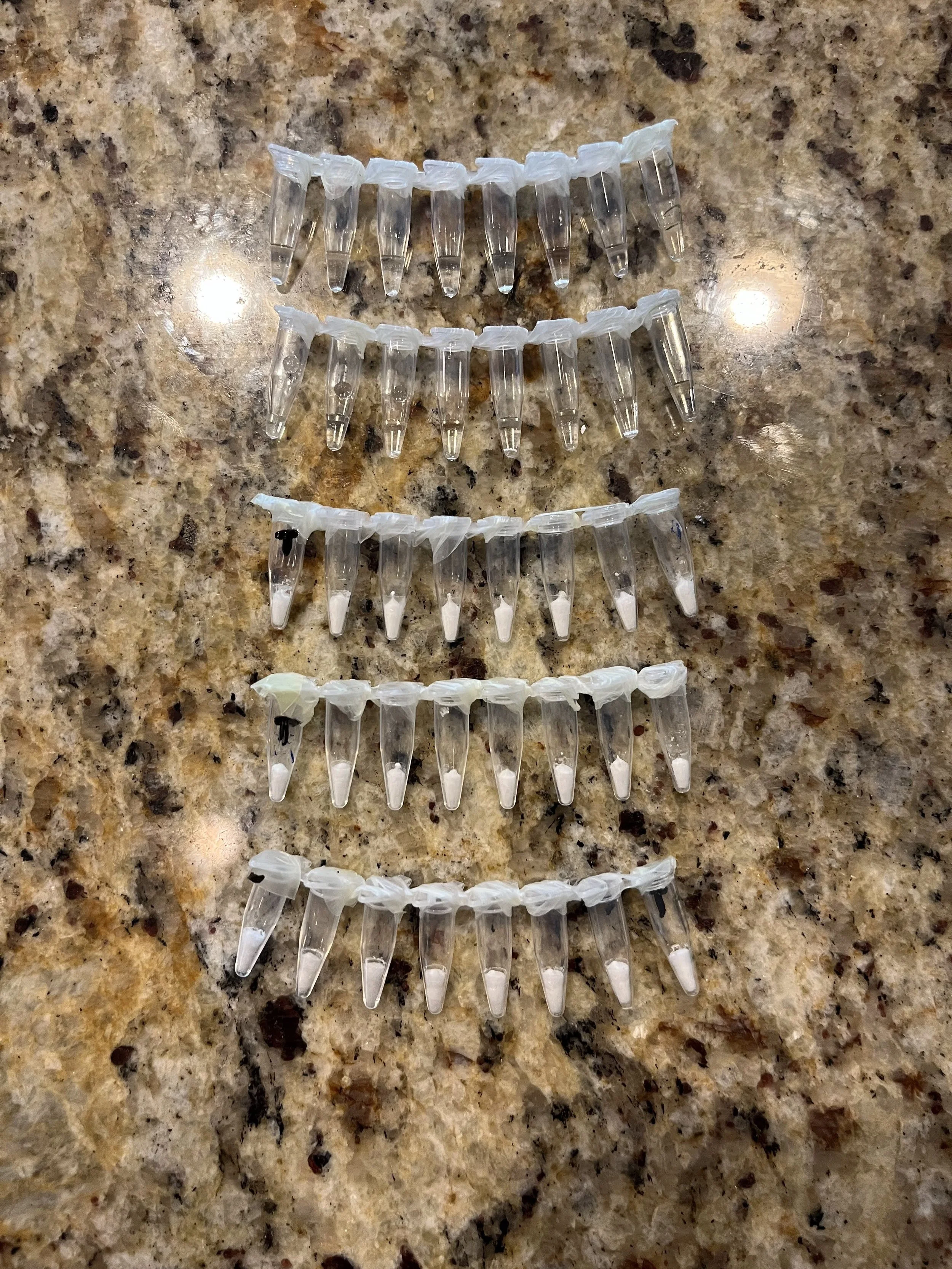
These are the DNA samples prepared for the different conditions we wanted to test.
-
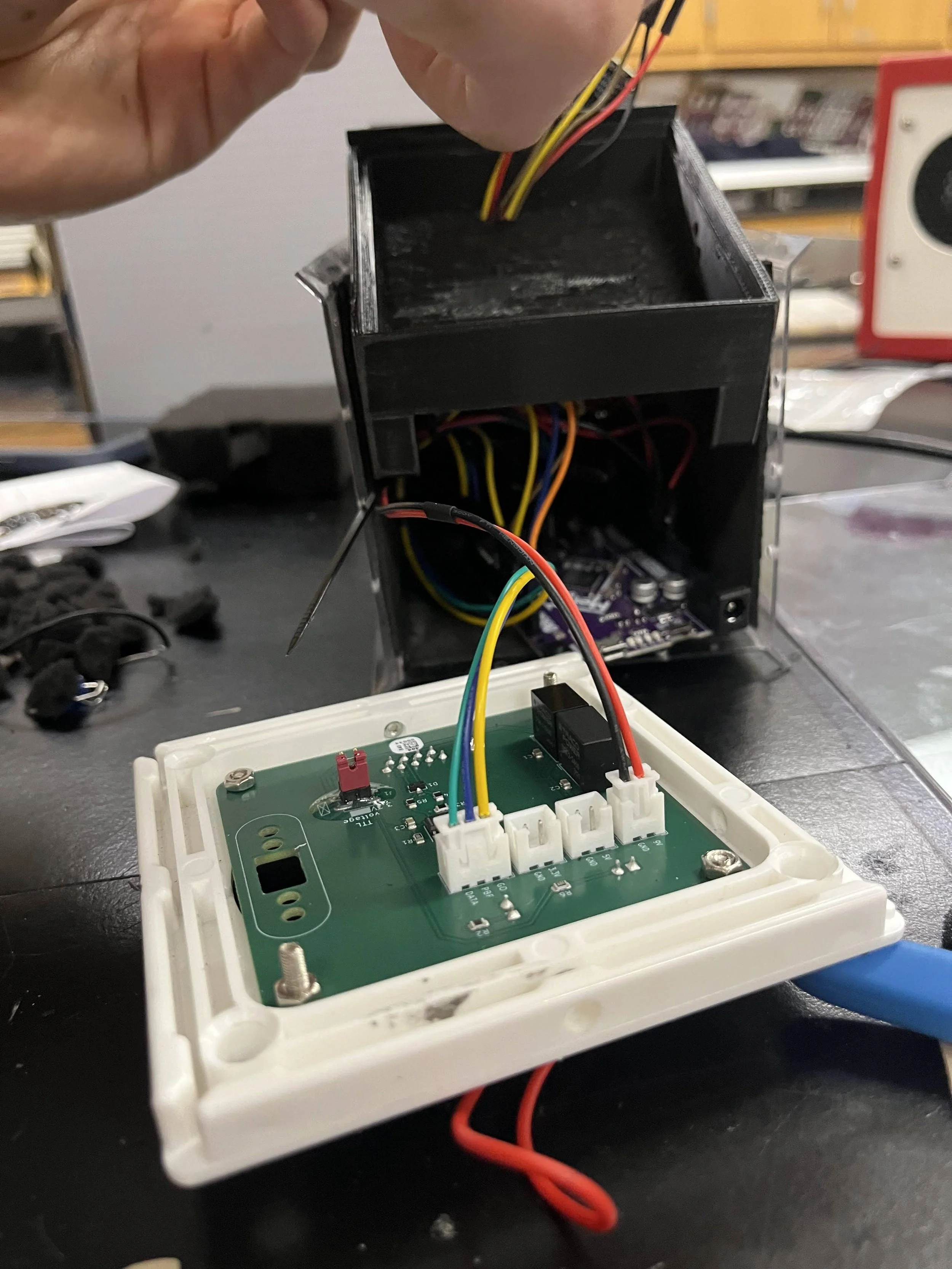
Once the individual parts worked, we started fitting the electronics and wiring into the final enclosure.
-
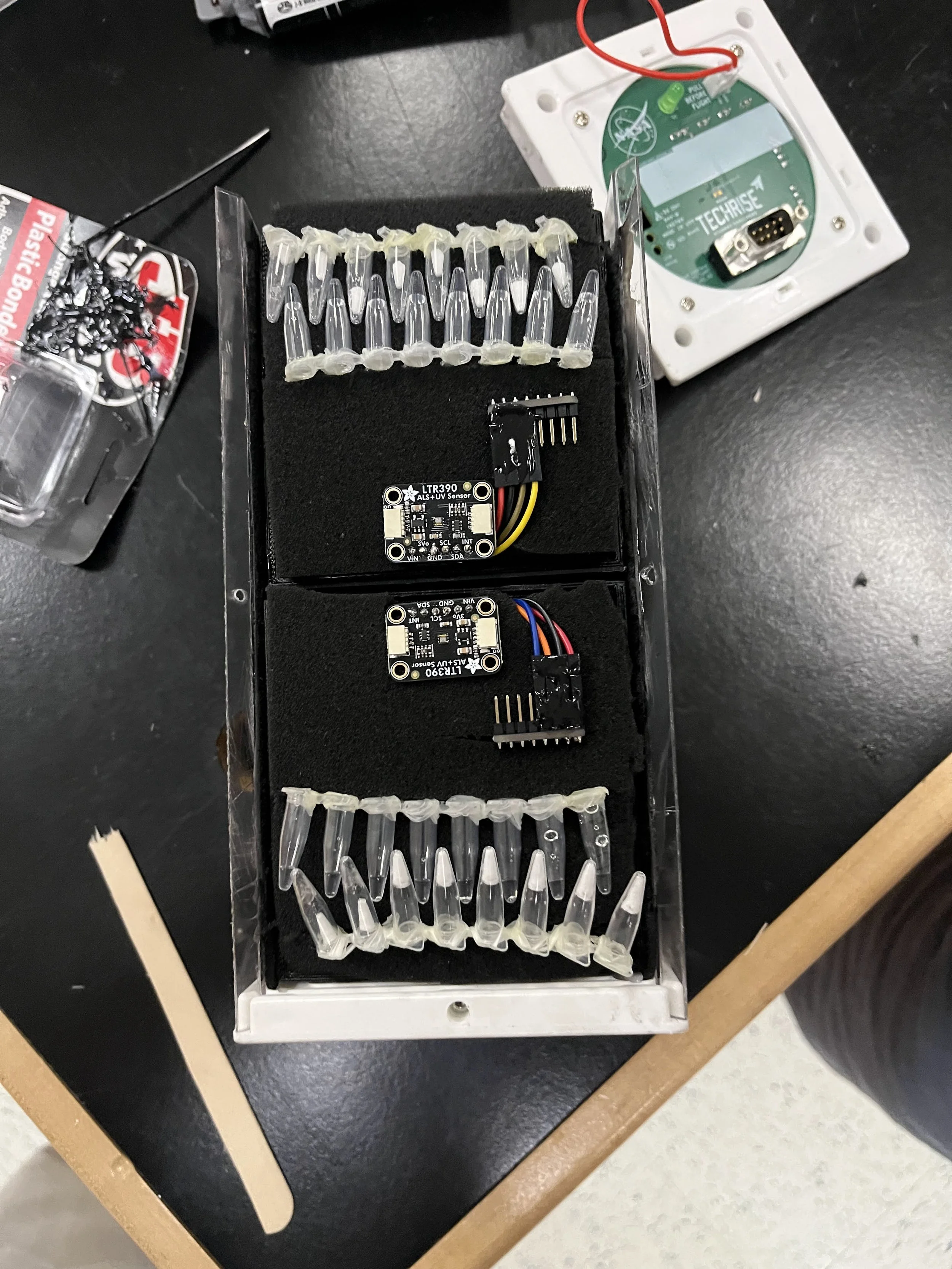
This shows the inside of the experiment. You can see the DNA sample tubes, sensors, and the 3D printed supports that hold everything in place.
-
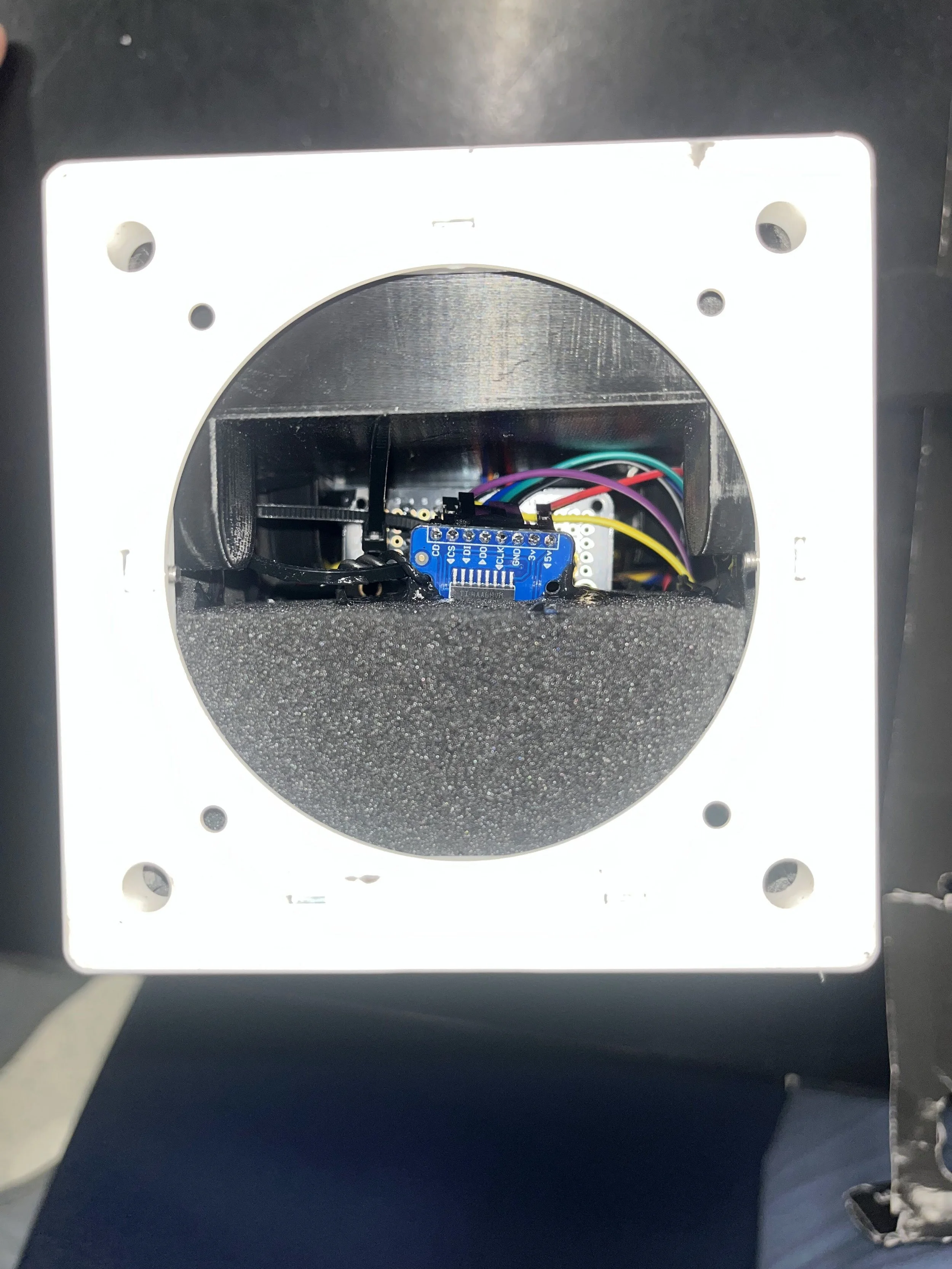
This is a closer look at some of the electronics mounted inside the experiment. We had very little space, so everything had to fit tightly inside the enclosure.
-
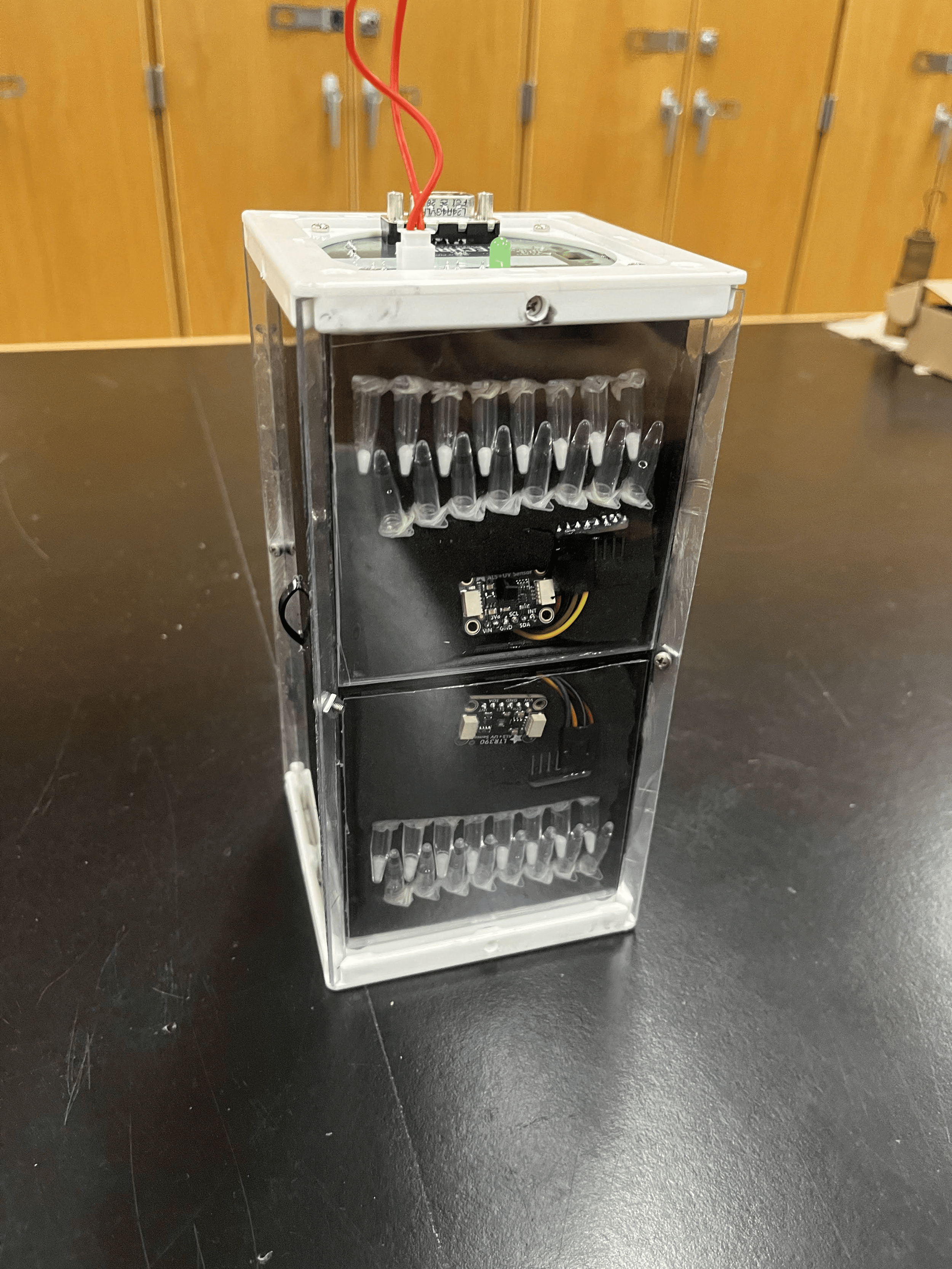
This is the final assembled experiment. The DNA samples, sensors, electronics, shielding, and enclosure were all finally put together.
-
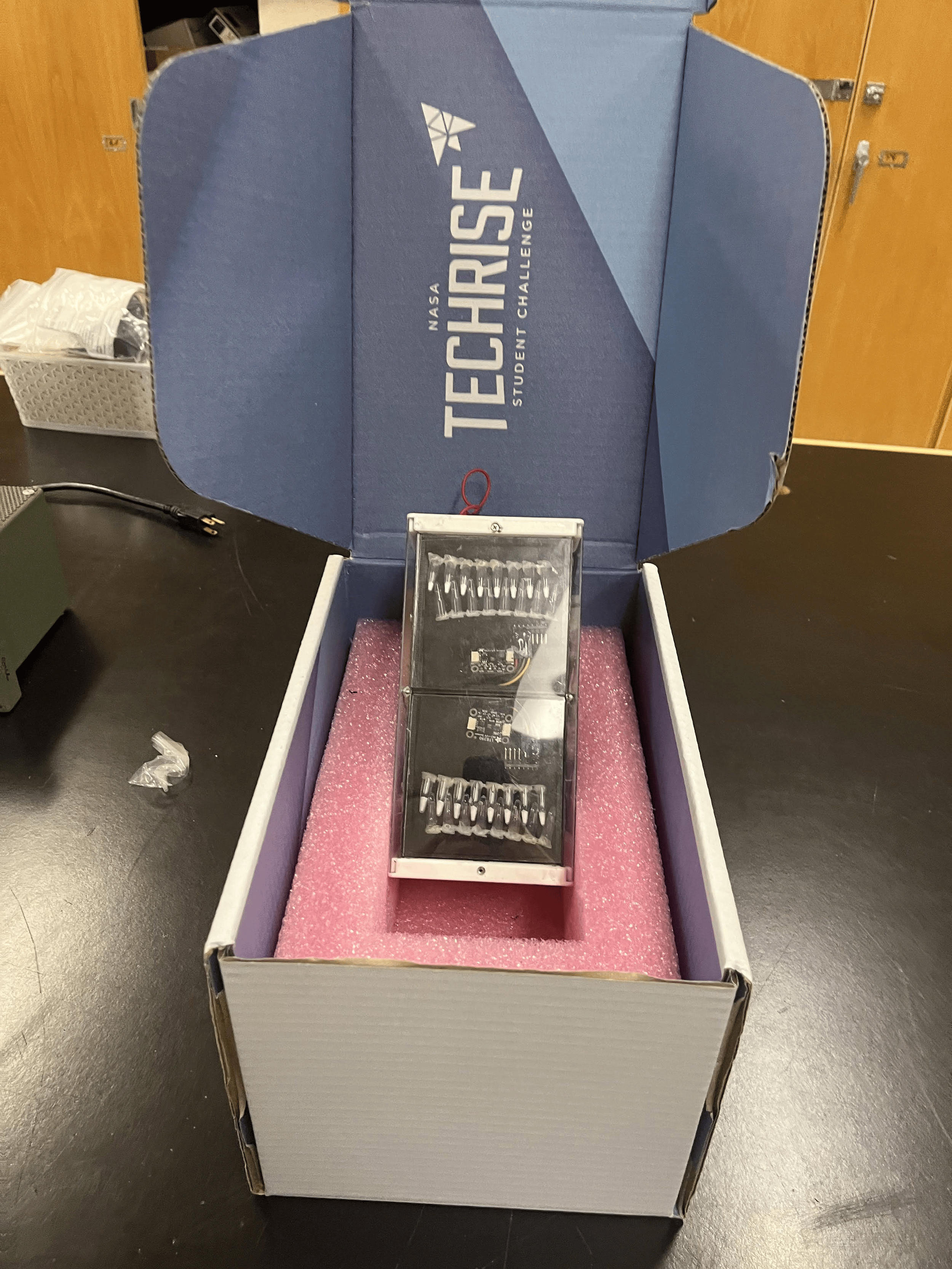
Finished! Here is the experiment packaged in the NASA TechRise box.